Most Italian coastal regions keep their mountains at a distance. Liguria comes close, but its mountains are narrow and the hinterland difficult to cross. Tuscany, Calabria, Sicily: the sea and the highest peaks belong to different chapters of the same holiday, not the same day.
Abruzzo works differently. The Adriatic coast and the region's three national parks, with summits exceeding two thousand metres, sit close enough to combine in a single day. Not as an afterthought, but as a genuine itinerary.
This is part of our complete guide to beaches in Abruzzo.
Gran Sasso
Gran Sasso is Abruzzo's defining mountain and the highest peak of the Apennines. Corno Grande reaches 2,912 metres and shelters Calderone, Europe's southernmost glacier.
Gran Sasso and Monti della Laga National Park covers over 140,000 hectares across forty-four municipalities. The landscape is Alpine: limestone walls, sharp ridges, strong winds, high-altitude meadows. Twenty peaks exceed two thousand metres along a fifty-kilometre crest.
What surprises first-time visitors is the view. From Gran Sasso's summits, the Adriatic Sea appears on clear days. The reverse works even better: from many points along the Abruzzo coast, looking west, the snow-capped profile of Gran Sasso dominates the horizon for much of the year.
At Campo Imperatore, the vast karst plateau behind the massif, the landscape shifts completely: an elevated, almost desert-like plain that locals call 'little Tibet'. Access is by cable car from Fonte Cerreto or by car from the L'Aquila side.
Majella
Majella is the mountain of silence. Less dramatic than Gran Sasso, more introspective, with summit plateaus instead of sharp crests. Monte Amaro at 2,793 metres is the Apennines' second-highest peak.
Majella National Park, established in 1991 across Chieti, L'Aquila and Pescara provinces, ranks among Italy's most biodiverse parks: over two thousand plant species recorded, representing roughly one-third of the nation's entire flora. Wildlife includes the Marsican bear, Abruzzo chamois and Apennine wolf.
Majella matters especially for visitors coming from the Chieti coast. The park begins just kilometres inland, making a morning beach swim and afternoon hike possible without long transfers.
Villages at Majella's base, such as Pacentro, Caramanico Terme and Guardiagrele, rank among the region's finest. Caramanico also has thermal springs with sulphurous waters known since ancient times.
Abruzzo, Lazio and Molise National Park
The oldest of Abruzzo's three national parks, established in 1923, lies in the region's most interior and southern section. It hosts the continent's most significant populations of Marsican bear, Apennine wolf and Abruzzo red deer.
The park sits further from the coast than the other two, yet offers something no other Italian park guarantees: the near-certainty of spotting wildlife in natural conditions. Pescasseroli's visitor centre serves as the main entry point.
Planning a Combined Holiday
Abruzzo works well for those seeking more than a week of beach time. Several practical combinations:
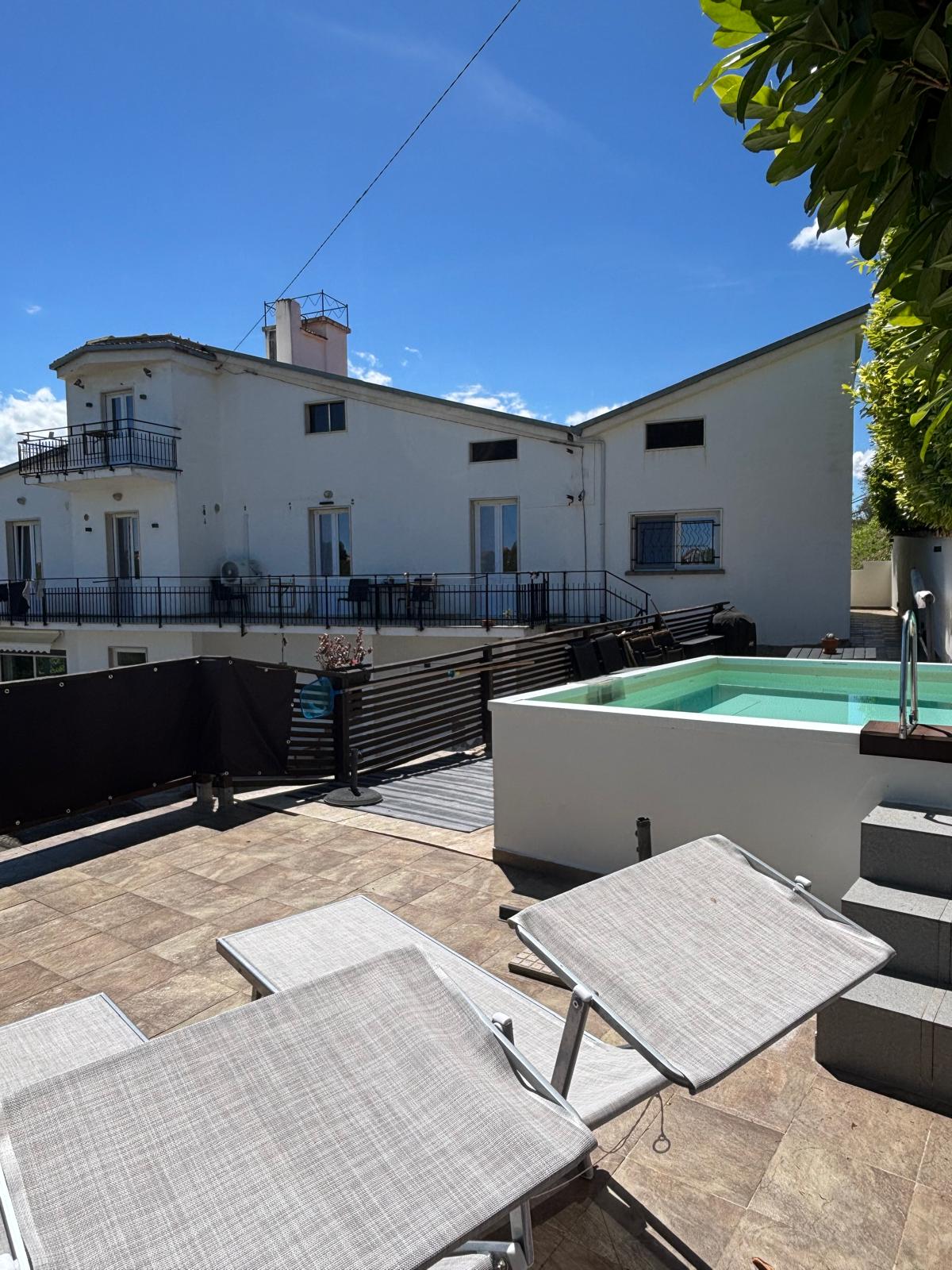
Base on the coast, inland excursions. Stay in a coastal property or near Pescara and plan one or two days in the national parks. Morning at the beach, afternoon heading inland. Two hours' drive from the coast puts you in the heart of Gran Sasso or Majella.
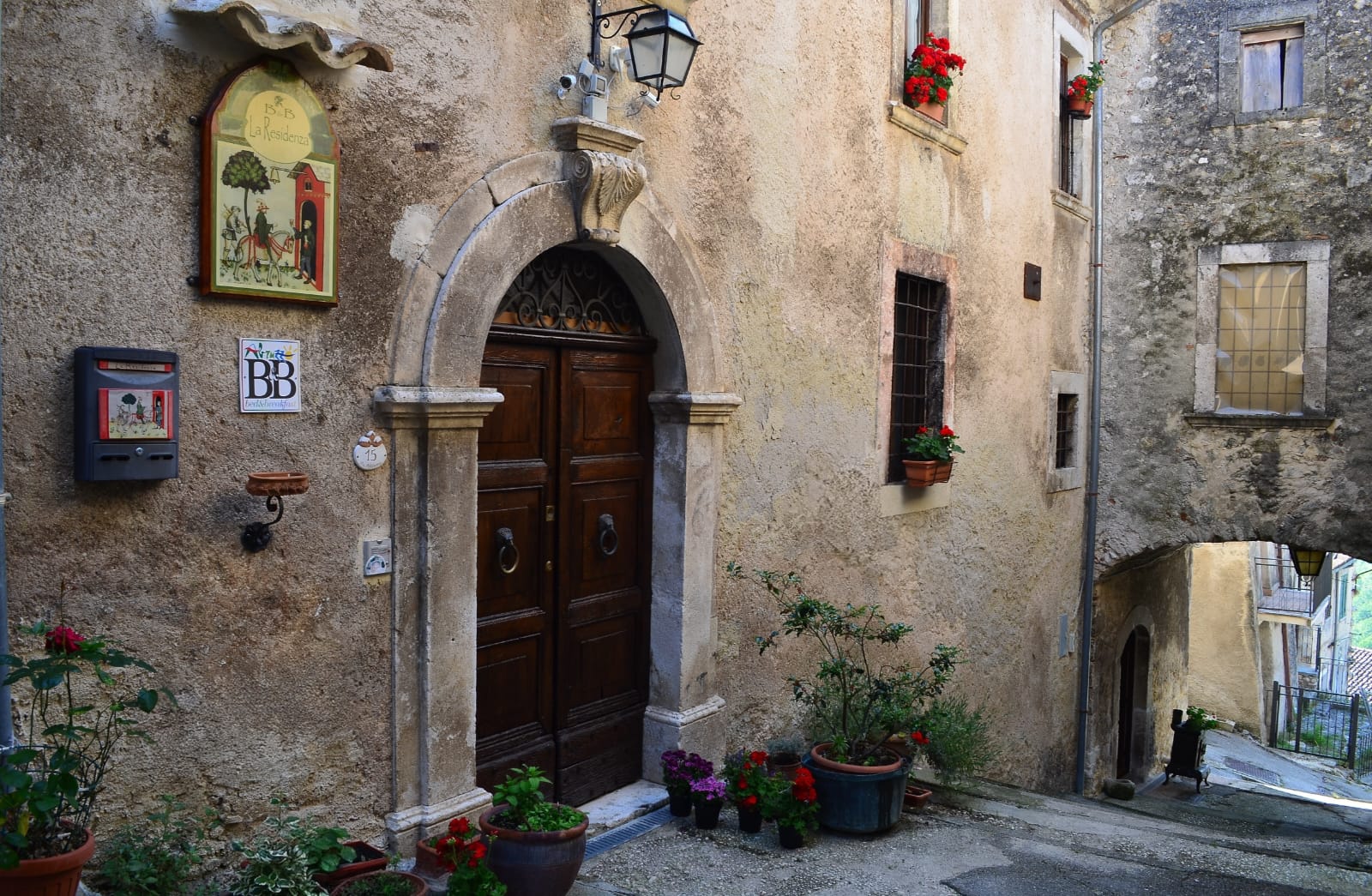
Base inland, sea as a break. Stay at an agriturismo or village at the foot of Majella or Gran Sasso and head to the beach on the hottest days. This approach often costs less and delivers a more authentic Abruzzo experience.
Mobile itinerary. Start on the coast, gradually move inland, finish at Pescasseroli or another national park village. Works well for week-long stays or longer.
When to Visit
June and September are when the sea-and-mountains combination works best. The sea is warm, high-altitude trails are open, mountain refuges operate and summit temperatures are reasonable. July and August bring intense coastal heat, making mountain hikes even more appealing: at two thousand metres, fresh winds often blow even in peak summer.