When people think Dolomites, they picture Cortina, the Tre Cime, the Sella Pass. What few realise is that two-thirds of the Dolomite arc actually lies in Friuli, and it remains the least known and least visited section. Carnia, the Friuli Dolomites, the Julian Alps: three thousand square kilometres of mountain terrain that most Italians have never set foot in.

This guide takes Friuli's mountains seriously: the food, the hiking trails, the border crossing into Austria that takes just half an hour.
Carnia, the Ancient Heart

Carnia is a name that reveals everything and nothing at once. For locals, it's a historic region with its own dialect (Carnic, close to Ladin); for everyone else, it's an area waiting to be discovered. Seven valleys converge around Tolmezzo, working alpine huts dot the landscape, and the mountain cuisine features cheeses found nowhere else (latteria, formadi frant, formai dal cit).
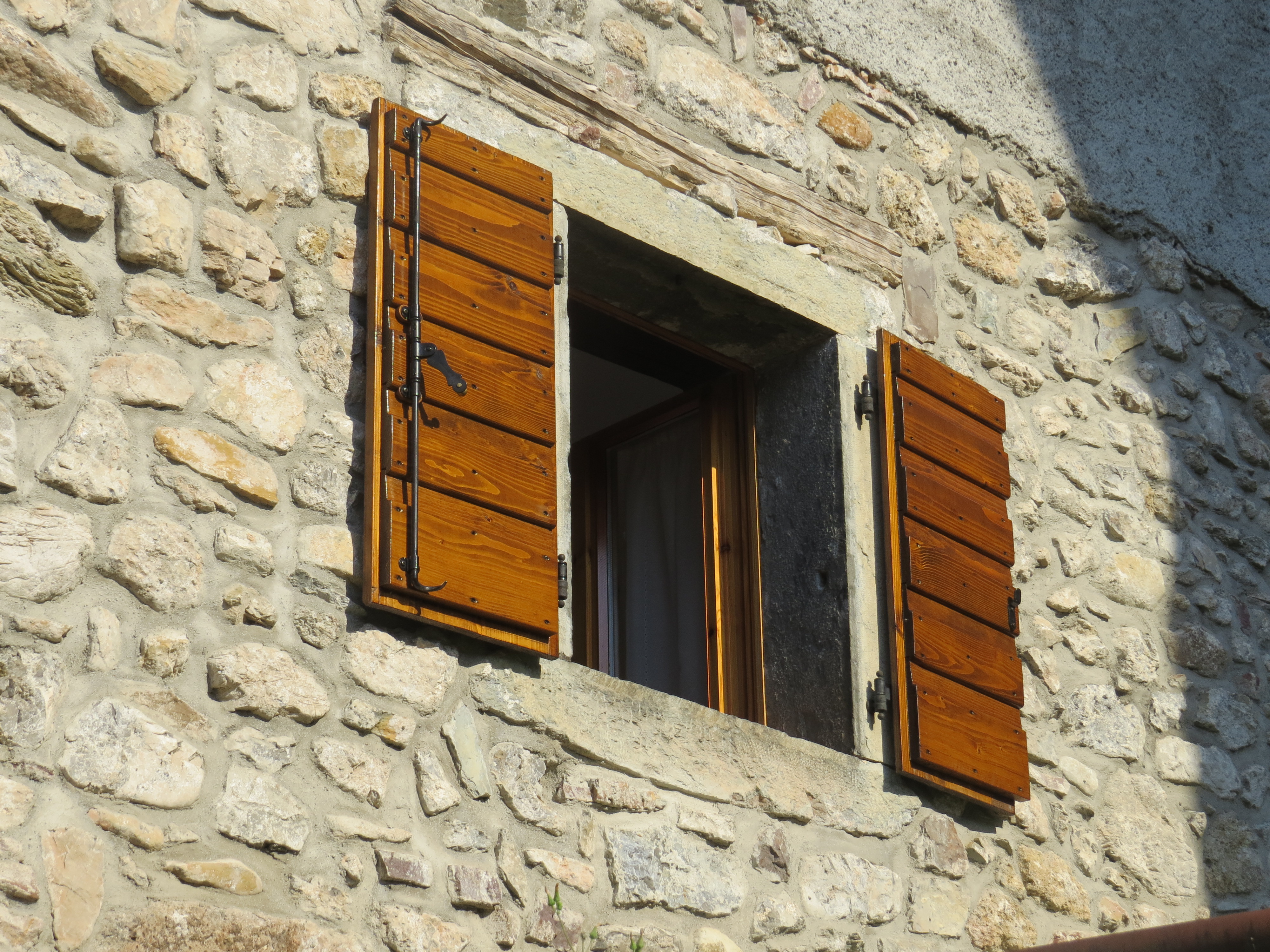
Prato Carnico, high in the Val Pesarina, ranks among the most characteristic villages: wooden houses, restored water mills, access to trails through the Pesarine Dolomites. The Baita Sostasio is exactly the kind of base you need in the mountains: a genuine alpine hut, not a theme-park version, where you can set out on walks and return to eat real local food.
The Friuli Dolomites, the Secret Slope

The Friuli Dolomites Natural Park covers one of the largest wilderness areas in the eastern Alps: 37,000 hectares with no paved roads running through them, accessible only on foot or by bike. Peaks like Monte Pramaggiore, Duranno, and the Monfalconi are explored by serious hikers, never by crowds.
Access comes via Cimolais, Erto and Casso (a town marked by the tragic Vajont disaster) or from Forni di Sopra. The latter also functions as a winter ski station, with lift pass prices that Venetian and South Tyrolean resorts can only dream about.
The Julian Alps, Beyond Tarvisio

Tarvisio sits at the gateway to the three-border junction: Italy, Austria, and Slovenia all within a 10-kilometre radius. The Fusine Lakes, Monte Lussari accessible by cable car, and trails toward Monte Mangart, one of the most dramatic thousand-metre peaks in the Alps.
Winter lift passes at Tarvisio cost a quarter of what you'd pay at Cortina, and the slopes face the Austrian-German side, so they're technically serious terrain. In summer, it's the perfect base for exploring Ljubljana and the Slovenian parks as well.
What to Eat
In Carnia, you eat what the alpine huts produce, and that's part of the experience. Cjarsons, sweet-savoury ravioli filled with herbs and ricotta. Frico, melted cheese layered with potatoes. Black buckwheat polenta. Cheese made fresh at summer huts and sold on site. None of this appears in tourist restaurants; you find it where locals eat, and your host knows exactly where that is.
When to Visit
Summer (June to September) for hiking, with July and August as the only genuinely busy period (though 'busy' here means a few hundred people). September is the best month: cool weather, huts still operating, forests beginning to turn colour. Winter for skiing, December through March. Spring and autumn are transition seasons when many accommodations close.
Getting Around
✓ A car is essential: Carnia has basic public transport, the Friuli Dolomites have none.✓ From Udine by car, Tolmezzo is 50 minutes away, Tarvisio an hour and a half.✓ Valley roads are excellent, side roads narrow but paved. Gravel tracks are for hiking only.
In Summary
The Friuli Dolomites form the western half of the Dolomite arc, and almost nobody knows them. Carnia is a small historic region with its own cuisine, its own dialect, and an identity that remains intact. The Julian Alps open onto a triple border, with Austria and Slovenia just twenty minutes' drive away. The accommodations in this guide are listed on Italish, you contact them directly, and what you pay stays with your hosts.