

Valle d'Aosta is Italy's smallest region, which makes visitors think they can cover it in a weekend. That's a misconception. The main valley is just the central spine, with roughly twenty side valleys branching off from it, each with its own character, dialect, and trail network. Exploring them all takes months.

This guide focuses on slow Valle d'Aosta, the kind you experience on foot, bypassing the crowded resort of Courmayeur.
Mont Blanc without Courmayeur

Courmayeur is the classic base for Mont Blanc, and it becomes unbearable in August. Yet the finest views of the massif don't come from the town itself but from trails in Val Veny and Val Ferret, the two lateral valleys that frame the Italian side of the mountain.
Lago di Combal in Val Veny, Rifugio Bonatti in Val Ferret, the balcony path connecting them: all accessible on foot in a day trip, far from the crowds. Staying in smaller villages on the main valley floor (Pré-Saint-Didier, Morgex, La Salle) costs half what Courmayeur charges and puts you 15 minutes' drive from trailhead parking.
Gran Paradiso, Italy's first national park and true silence

Established in 1922, Italy's oldest national park remains its most carefully protected. Ibex, chamois, marmots, golden eagles, and alpine wildlife more visible here than anywhere else in the region. The Valle d'Aosta entrance comes via Cogne, Valsavarenche, and Rhêmes-Notre-Dame, three valleys running south from the main valley toward the peaks.
Cogne draws the most visitors, but the other two remain villages of two hundred souls where evening brings only cowbells. The Paradisia Botanical Garden at Cogne is essential for summer travellers.
Lower valley, castles and stone villages

Above Pont-Saint-Martin, where Valle d'Aosta begins, sits a remarkable line of castles few tourists know: Bard, Issogne, Verrès, Fénis. Forte di Bard stands as one of the Alps' most dramatic military complexes, now restored and open to visitors. Verrès and Fénis are well-preserved medieval fortresses.
Villages like Bard, Hône, and Lillianes have fewer than a thousand residents, stone houses, fountains, and Nebbiolo vineyards planted at impossible elevations. The Lower Valley makes a perfect starting point for slow travel, exploring the valley floor before climbing higher.
The Walser valleys
Gressoney and Issime represent the main Walser valleys of Valle d'Aosta, communities of Germanic language who arrived from the Valais in medieval times and were never absorbed. The Walser dialect (Titsch) is still spoken, stone and timber houses show unique architectural traditions, and customs persist.
From these valleys, trails lead toward Monte Rosa, the Alps' second highest range after Mont Blanc, yet visited a thousand times less often.
What to eat
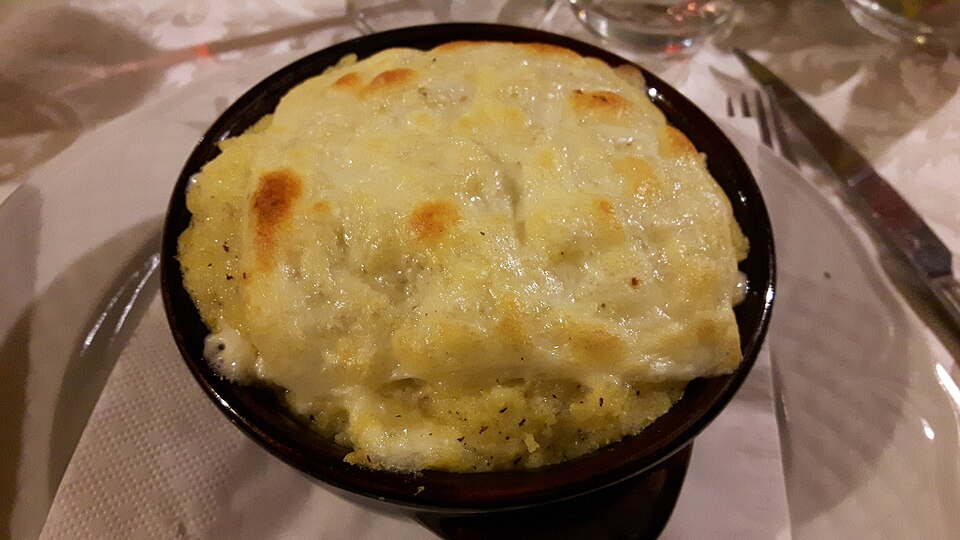
Fontina cheese everywhere, but the real thing: DOP mountain dairy aged for months in rock tunnels. Polenta concia, creamy with melted fontina stirred through. Carbonade, beef braised in wine. Tegole di Aosta, hazelnut biscuits. Mountain wines: Blanc de Morgex et de La Salle grows at Europe's highest vineyard elevation.
When to visit
Summer (June to September) for hiking and mountain huts. September is ideal, with cool weather, active wildlife in the parks, and mountain dairies still producing. Winter for skiing and snowshoeing (December to March). May and October are transitional months when many facilities close. Easter and Christmas bring peak crowds; avoid them if you want solitude.
Getting around
A car is essential: the main valley has motorway and rail, the side valleys don't. Turin to Aosta takes ninety minutes by motorway; Milan takes two hours. For high-altitude trails, use the parking areas at trailheads, which charge modest fees.
In summary
Most visitors know Valle d'Aosta only through Courmayeur and Cervinia, leaving three quarters of the territory untouched. The side valleys, the Lower Valley with its castles, and the Walser communities are accessible to anyone staying outside these two classic hubs. Independent accommodations throughout the valley tend to be small, family-run, managed by people who still speak Franco-Provençal: a linguistic experience as much as a landscape one.