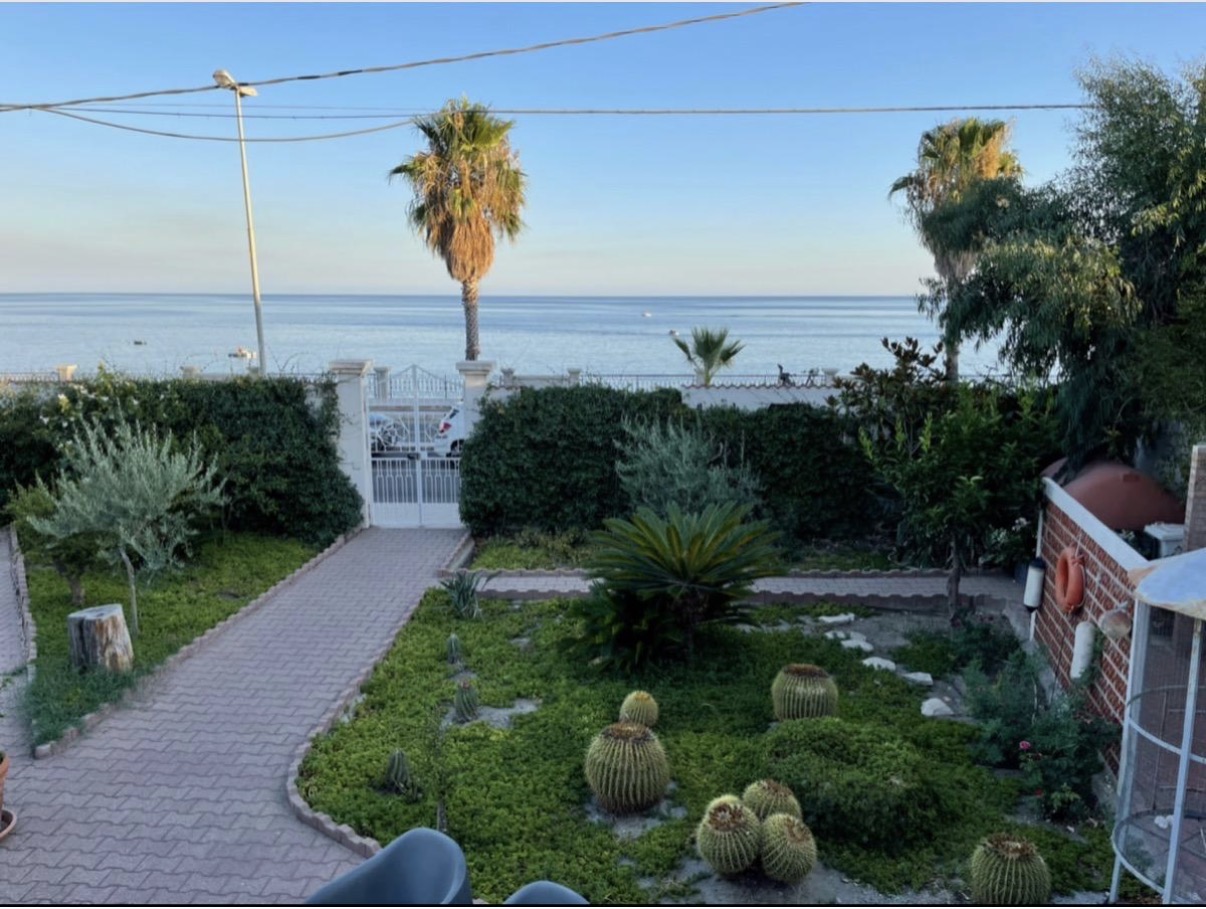
Calabria has two distinctly different coastlines: the Tyrrhenian Sea to the west, with red sandstone cliffs and turquoise waters of the Costa degli Dei, and the Ionian Sea to the east, with long sandy beaches and calmer waters. Between them runs the Calabrian Apennines, descending steeply toward both seas and creating a landscape without equal in the Mediterranean.
The Costa degli Dei is Calabria's most celebrated stretch of coast: roughly thirty kilometres in the province of Vibo Valentia, running from Pizzo Calabro in the north to Nicotera in the south. The name was coined in the 1990s, yet the landscape it describes is authentic: yellow tuff and red sandstone cliffs plunging into the sea, waters shifting from emerald green to deep blue, medieval villages clinging to the rocks.
Tropea
Tropea epitomises Calabria's beach culture and ranks among Italy's most photographed villages. The historic centre rises on a tuff ridge overlooking the Tyrrhenian Sea, with colourful houses, Baroque churches, and panoramic terraces facing the Aeolian Islands. On clear days, you can see Stromboli from Tropea, its volcanic plume visible against the horizon.
Spiaggia della Rotonda is the main beach, directly below the ridge, with white sand and turquoise waters. It's popular and well-equipped. For something quieter, Spiaggia del Convento near Parghelia's historic centre is accessible via a steep staircase: fine sand, no facilities, crystal-clear water.
Tropea's red onion is a protected designation of origin product known throughout Italy. The 'nduja from nearby Spilinga, a spicy spreadable salami produced in the interior, is a specialty worth seeking out.
Capo Vaticano
Just south of Tropea, the Capo Vaticano headland offers the most spectacular viewpoint on the Costa degli Dei. From the overlook, you see the coves below and the Aeolian Islands in the distance.
Beaches around Capo Vaticano mix pale sand and rock formations: some are accessible by foot via cliff-side paths, others only by sea. The water ranks among Calabria's clearest, with sandy and rocky seabeds that shift colour throughout the day.
Pizzo Calabro
At the northern tip of the Costa degli Dei, Pizzo Calabro is a medieval village perched on a cliff with a compact historic centre and an Aragonese castle overlooking the Tyrrhenian Sea. The waterfront is favoured by locals and has a less touristy atmosphere than Tropea.
Pizzo is famous throughout Calabria for tartufo di Pizzo: dark chocolate gelato with a creamy chocolate centre, served directly in a cocoa cup without a spatula. This dessert was invented here and has spread across the entire region.
Scilla and the Strait of Messina
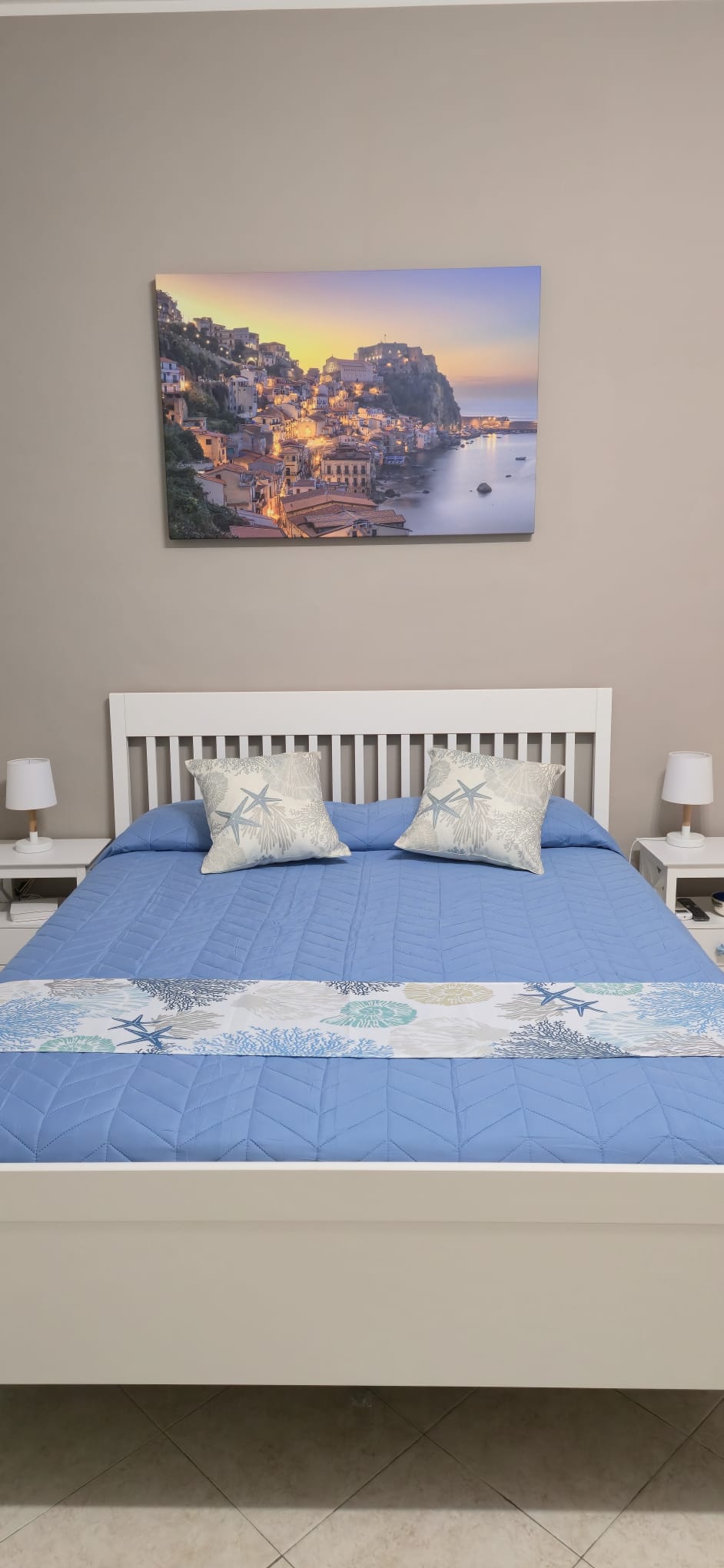
At Calabria's southern tip, where the Strait of Messina begins, Scilla is one of the region's finest villages. Castello Ruffo dominates the rocky outcrop between two distinct bodies of water: the Tyrrhenian Sea to the north and the Strait to the south. Below the castle lies Chianalea, the fishermen's quarter, built directly over the water with houses facing the sea.
Scilla's beach has dark sand, with the Strait's particular currents creating distinctive conditions. Sicily is visible from the shore.
The Ionian coast and Pollino National Park
Calabria's Ionian coast receives less attention than its Tyrrhenian counterpart but offers long stretches of fine sandy beaches with calmer waters. Between Sibari and Crotone, the shoreline runs almost uninterrupted for kilometres. The shallower waters suit families well.
Inland along the Ionian coast lie Magna Graecia sites: Locri, Crotone, and Sibari, with Greek temples and museums holding artefacts of exceptional value. Reggio Calabria's National Museum houses the Riace Bronzes, two fifth-century BC Greek statues ranked among ancient sculpture's supreme masterpieces.
Pollino National Park, bordering Basilicata, is accessible from the Tyrrhenian coast in roughly an hour. Italy's largest national park by area, it shelters forests of Calabrian pine, alpine landscapes, and inland Calabrian villages.
When to visit
June and September are ideal: the sea is warm, beaches less crowded, villages more enjoyable. July and August bring peak season to the Costa degli Dei, with Tropea particularly busy. August heat in Calabria is intense, especially inland.
Getting there
The main airports are Lamezia Terme (most convenient for the Costa degli Dei and Tropea) and Reggio Calabria (for Scilla and the Strait). Both have direct flights from various Italian and European cities. By train, the Tyrrhenian line from Naples passes through Pizzo Calabro and Tropea.
✓ Tropea in July and August: book accommodation at least one month ahead.✓ Capo Vaticano: wear proper footwear for the cliff paths leading to coves.✓ Scilla: explore Chianalea in the evening when fishermen return and restaurants open.✓ Riace Bronzes in Reggio Calabria: free admission on the first Sunday of the month.