Campania holds one of Italy's greatest concentrations of historical and cultural heritage. Pompeii and Herculaneum rank among the world's most visited archaeological sites. Naples boasts a UNESCO-listed historic centre, the Mediterranean's most important archaeological museum, and one of Italy's most deeply rooted culinary traditions. The Palace of Caserta stands among Europe's largest royal residences. Beyond the capital, coastal and hillside villages and towns reward visitors with impressions that linger long after a few hours exploring.
Naples

Naples defies easy summary. Chaotic, loud, generous, contradictory. Its historic centre earned UNESCO status in 1995 and remains one of Europe's most vibrant, inhabited centres; not a museum frozen in time, but a living city where people actually work and dwell among monuments.
Spaccanapoli, the popular name for the long straight thoroughfare cutting through the historic core, reveals baroque churches, artisan workshops, cafes, and markets at every turn. The Cappella Sansevero houses the Cristo Velato, an 18th-century sculpture widely regarded as a masterpiece of technical achievement.
The National Archaeological Museum (MANN) ranks among the world's finest repositories of Greco-Roman civilisation. Its collections from Pompeii and Herculaneum include mosaics, frescoes, sculptures, and everyday objects spanning centuries. Plan for at least half a day here.
Piazza del Plebiscito, the San Carlo Theatre, and the Umberto I Gallery form the city's neoclassical heart. Castel dell'Ovo, Naples' oldest castle, stands on an islet in the gulf, its ancient stones watching over the bay.

Neapolitan cuisine deserves its own discussion. Napoletana pizza holds UNESCO status as intangible cultural heritage. The fried foods, pastries, and coffee represent culinary experiences found nowhere else in quite the same form.
Pompeii and Herculaneum
About twenty-five kilometres from Naples, reached in roughly thirty minutes by the Circumvesuviana railway, lie Campania's two most celebrated archaeological sites.

Pompeii, the Roman city buried by Vesuvius' eruption in 79 AD and sealed beneath ash for centuries, offers an enormous site where hours of walking reveal houses, temples, baths, theatres, bakeries, and taverns. Recent years have brought fresh discoveries and newly opened areas to the public. It ranks among Italy's most visited sites.
Herculaneum, smaller than Pompeii yet better preserved, was engulfed by volcanic mud rather than ash, which protected organic materials like wood, textiles, and food alongside more complete structures. Less crowded than its neighbour, it takes two to three hours to explore. Both sites combine easily into a single day's itinerary.

From Herculaneum's car park, a path leads toward Mount Vesuvius's crater, visitable only with a mandatory guide.
Palace of Caserta

North of Naples, reachable by train in about forty minutes, the Palace of Caserta stands as Italy's largest royal residence and one of Europe's grandest. Built for the Neapolitan Bourbons in the 18th century by architect Vanvitelli, it gained UNESCO status in 1997.

The palace contains 1,200 rooms, though visitors tour only portions. The royal gardens stretch three kilometres with fountains, cascades, and sculptures; the central perspective ranks among Italian baroque's most spectacular vistas. Explore the park on foot, by bicycle, or aboard a small electric train.
Ravello

Ravello sits inland above the Amalfi Coast, a destination prized not for beaches but for views and historic gardens. Villa Rufolo and Villa Cimbrone feature terraces overlooking the sea with panoramas that have inspired writers, musicians, and artists across centuries. Wagner stayed in Ravello and drew inspiration from Villa Rufolo's gardens for his Parsifal.
Each summer Ravello hosts the Ravello Festival, one of Italy's most prestigious classical music festivals, with open-air concerts performed on Villa Rufolo's belvedere.
Paestum

In Cilento, roughly ninety kilometres south of Naples, Paestum preserves three Greek temples from the 5th and 6th centuries BC among the world's best-preserved examples. The Temple of Neptune (actually dedicated to Hera) ranks among the Mediterranean's finest temples, surpassing those of Agrigento's Valley of the Temples in condition.
Paestum's museum houses celebrated Greek tomb frescoes depicting symposium scenes, among the rarest surviving examples of original Greek painting.

Paestum is reached by train from Naples (roughly an hour and a half) or by car. It pairs easily with a day at Cilento's beaches.
Benevento and the interior
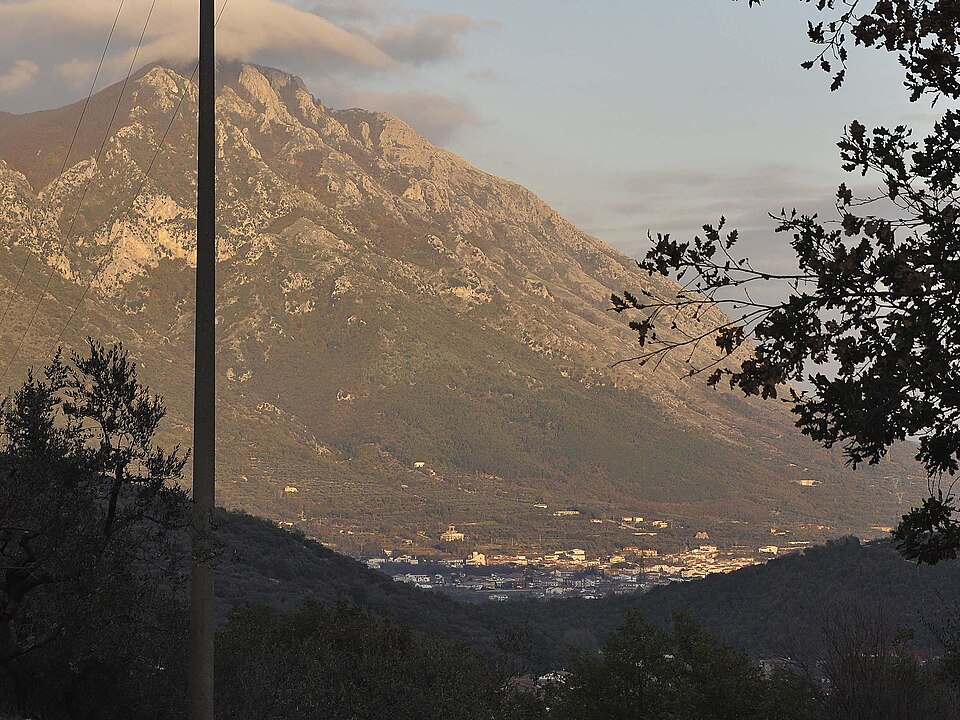
Benevento, an inland Campania city, holds surprising historical riches. Trajan's Arch from the 2nd century AD ranks among Italy's best-preserved Roman monuments. The historic centre features a Romanesque cathedral with early medieval reliefs of considerable importance. Less visited than coastal destinations, it offers a more authentic and peaceful experience.
Practical information
Getting around. Naples serves as the natural starting point for the entire region. The Circumvesuviana railway connects Naples to Pompeii, Herculaneum, and Sorrento. Trains reach Caserta and Paestum. For the Amalfi Coast and Ravello, take ferries from Naples or Salerno, or drive (patience required for traffic).
How much time. A week in Campania allows for Naples (two days), Pompeii and Herculaneum (one day), the Amalfi Coast with Ravello (one day), Caserta (half day), Paestum (half day), and the islands (one day). Intensive but entirely manageable.
✓ Pompeii: buy tickets online to skip queues, especially spring and summer.✓ Palace of Caserta: arrive early for the gardens; morning light is best.✓ Naples: the Cristo Velato at Cappella Sansevero requires advance booking; don't enter without it.✓ Ravello Festival: check the summer programme before booking; concerts are the main draw for summer visits.