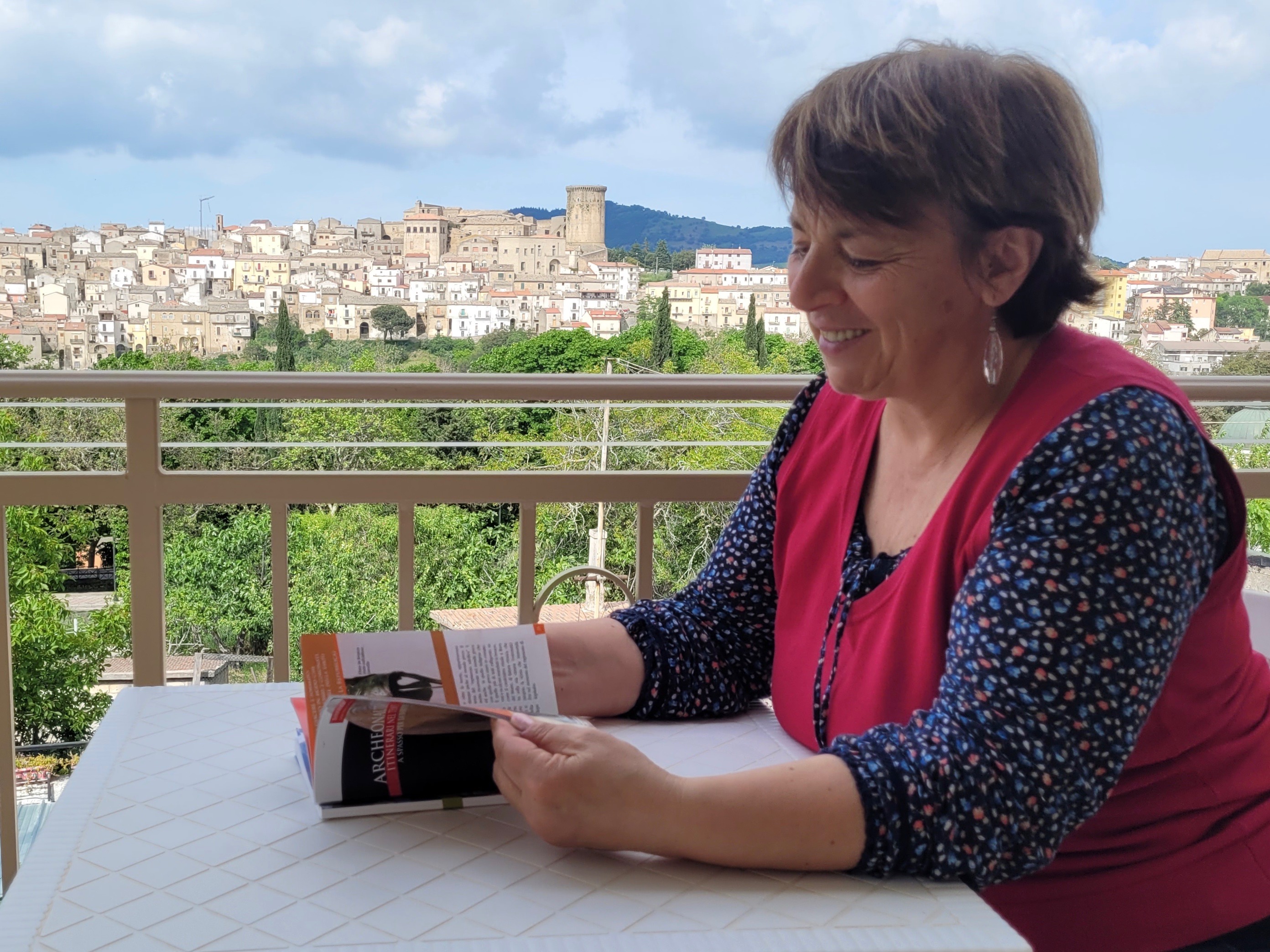
Basilicata remains one of Italy's least known regions and one of its most astonishing. Small, almost coastless, wedged between Puglia, Campania and Calabria, it contains villages unlike anything found elsewhere: a city carved into living rock and a UNESCO World Heritage site, an abandoned ghost town emptied in the 1960s, two medieval villages perched in the Lucane Dolomites, and grey clay badlands that resemble a lunar landscape.
Carlo Levi arrived here in 1935 during his fascist exile and captured it in "Christ Stopped at Eboli": an archaic Italy, silent and forgotten. Much has changed, yet something of that silence persists.
Matera: the city of the Sassi

Matera stands as Basilicata's primary destination and one of Italy's most extraordinary places. The Sassi, districts carved into the limestone rock of the Gravina ravine, were continuously inhabited from prehistory until the 1950s, when the Italian government relocated residents to public housing built on the plateau above. Designated a UNESCO World Heritage site in 1993 and European Capital of Culture in 2019, they remain Basilicata's most photographed quarter.
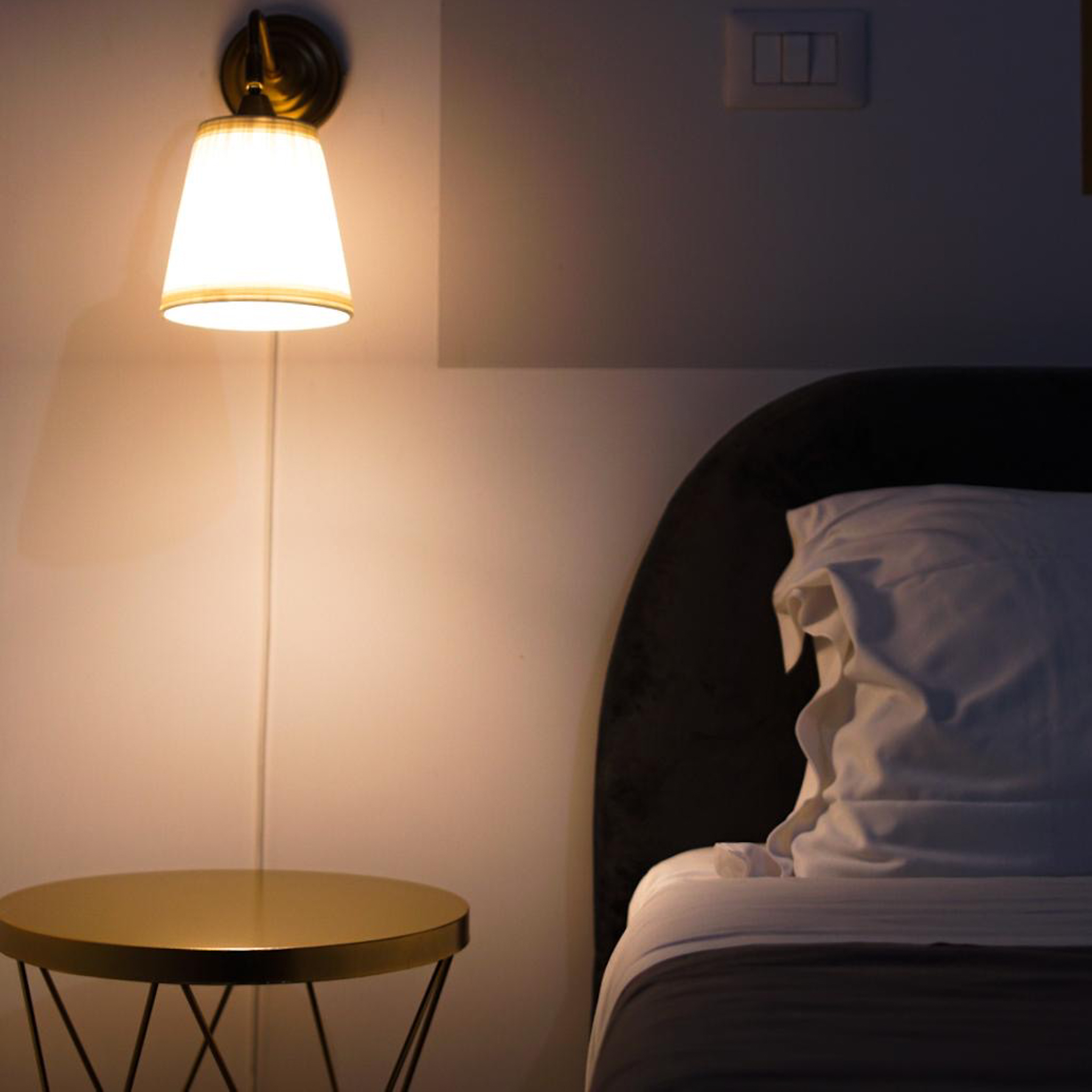
The Sassi comprise two districts: Sasso Caveoso and Sasso Barisano. The rock-cut dwellings, churches carved from stone, narrow alleys and tufa staircases create a vertical urban landscape without parallel in Europe. Several rupestrian homes have been converted into charming hotels; sleeping in a dwelling carved from rock is an experience many travellers specifically seek out.

The Murgia Materana Park, across the Gravina, offers views of the Sassi from outside, revealing the rock-cut churches embedded in the cliff faces. The sunset panoramic walk with illuminated Matera glowing across the ravine ranks among southern Italy's finest landscapes.
Craco: the ghost town

Craco, in Matera province, stands as one of the world's most famous abandoned villages. Evacuated in 1963 following a landslide and permanently abandoned after the 1980 earthquake, it remains a ghost town with medieval stone houses, a Norman tower and the mother church standing in absolute silence.
It appears on the World Monuments Fund's at-risk list and has captured international cinema's attention for its apocalyptic appearance; parts of James Bond's Quantum of Solace and Mel Gibson's Passion of the Christ were filmed here.
Access is permitted only with authorised guides and protective helmets. Guided tours follow a secured route through the ruins. The view across the surrounding badlands landscape is spectacular.
The Lucane Dolomites: Castelmezzano and Pietrapertosa
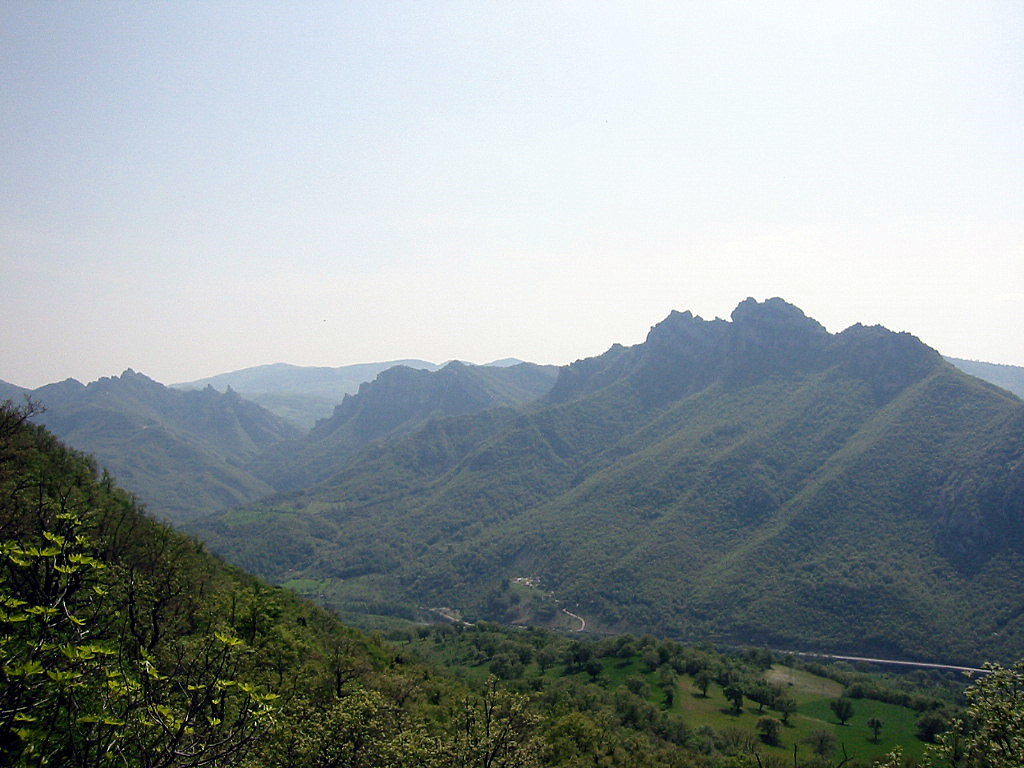
In central Basilicata, the Lucane Dolomites form a cluster of rocky pinnacles eroded into distinctive formations from which two of Italy's finest medieval villages emerge.
Castelmezzano clings to the rock at eight hundred metres elevation, its stone houses appearing to merge with the mountain itself. The historic centre is walkable via narrow alleys and stone staircases. The Seven Stones trail connects the village to the surrounding rock faces.
Pietrapertosa is Basilicata's highest municipality, above one thousand metres, crowned by a tenth-century Norman castle that dominates the village from above. The historic centre contains a medieval Arab-Norman quarter.
Between the two villages runs the Volo dell'Angelo, a double zipline allowing travellers to cross the valley at one hundred kilometres per hour suspended between the two peaks. Open April through November.
Aliano and the badlands of Carlo Levi
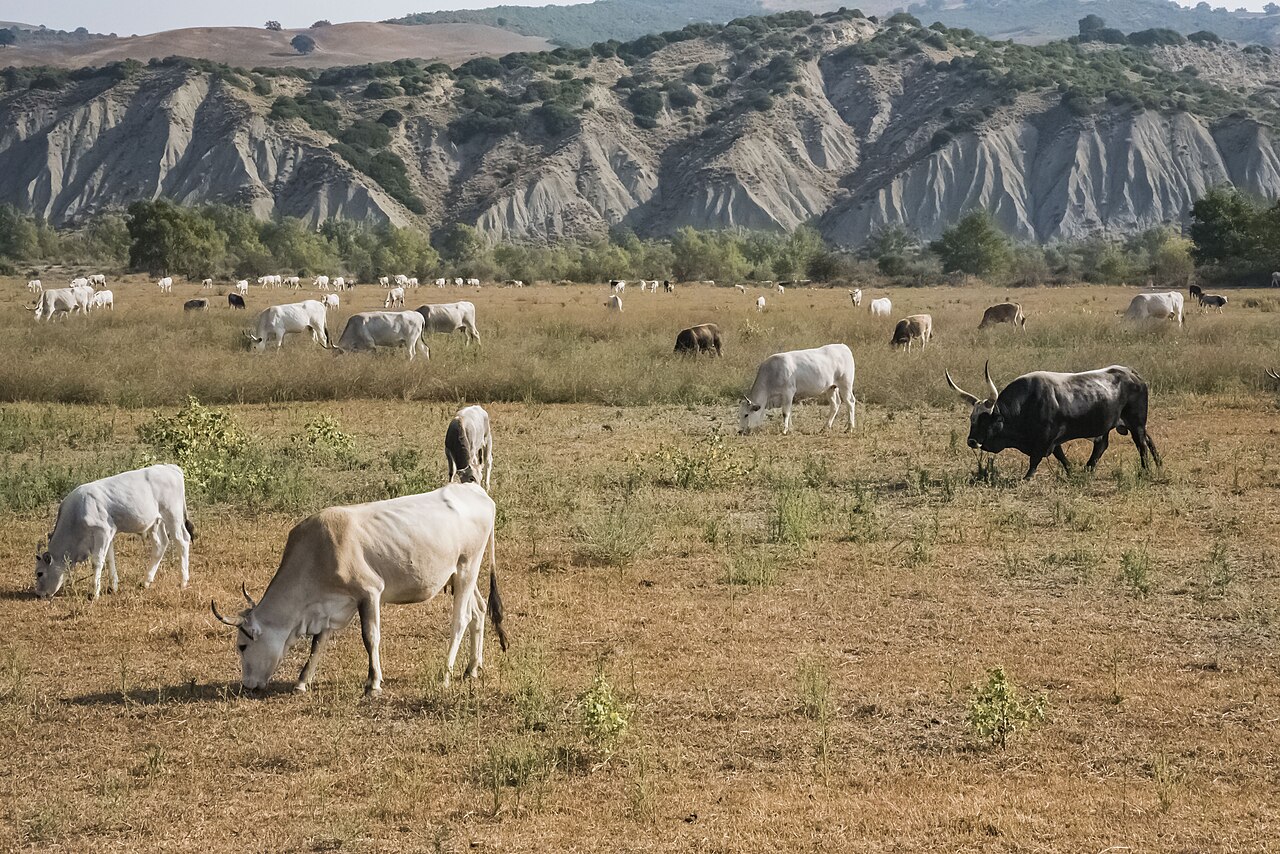
Aliano is the village where Carlo Levi spent his fascist confinement between 1935 and 1936, and where he chose to be buried. "Christ Stopped at Eboli", the book he wrote from that experience, ranks among twentieth-century Italian literature's masterworks.
The town rises on a clay spur surrounded by badlands, grey clay formations sculpted by water into spectacular shapes. The Carlo Levi Literary Park encompasses the confinement house, the art gallery displaying the painter's works, and a museum of peasant culture. The cemetery where Levi is buried commands views of the badlands that linger in memory.
The Casa del Malocchio, a house whose facade is said by local tradition to assume human features to ward off negative influences, ranks among the village's most photographed sites.
Maratea and the Tyrrhenian coast
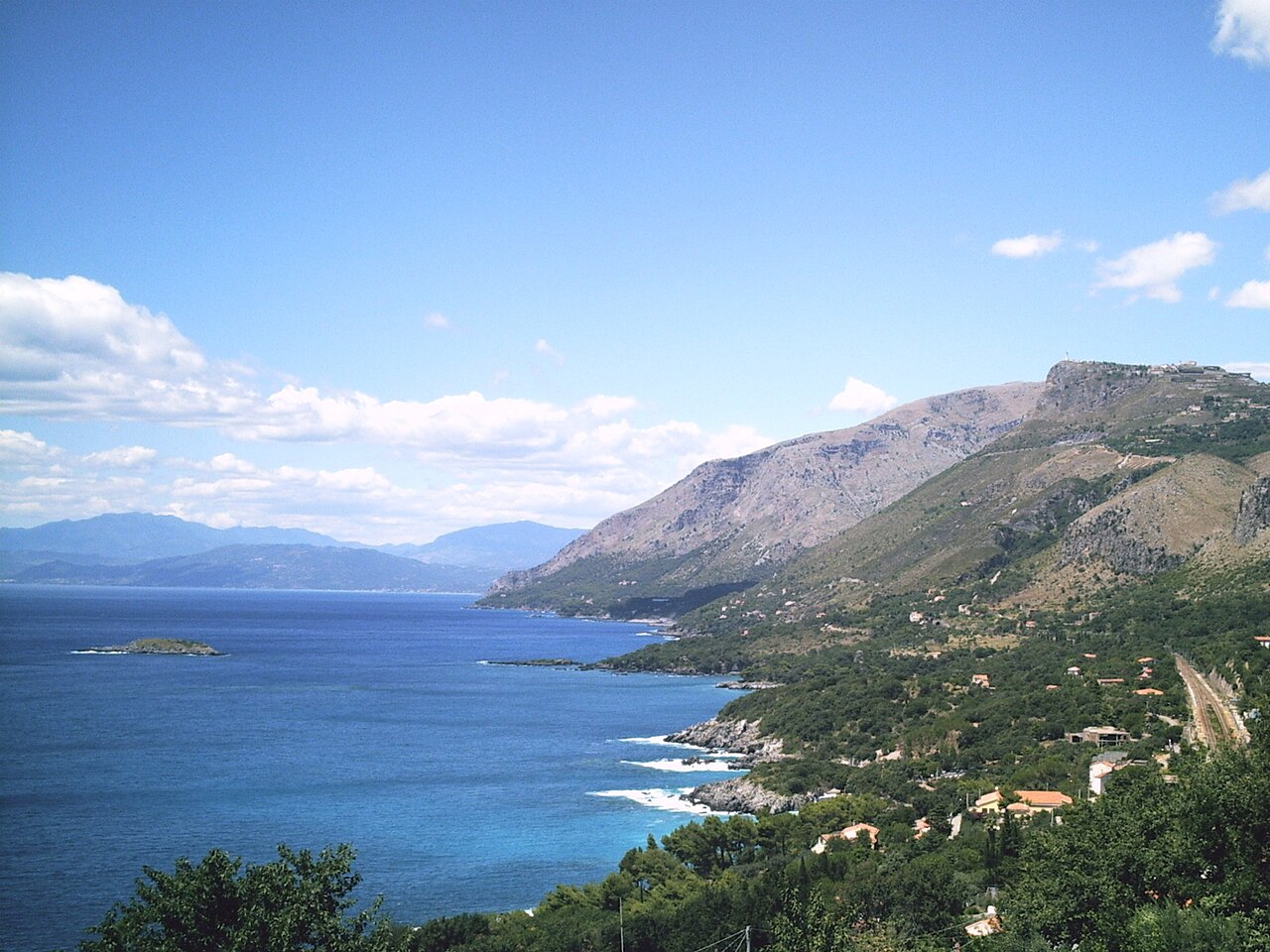
Maratea represents Basilicata's sole Tyrrhenian coastline: thirteen kilometres of jagged shore with coves, cliffs and crystalline waters. The historic village perches on the hillside above the sea, dominated by the 1965 Christ the Redeemer statue overlooking the coast. Beaches consist of pebbles and shingle with exceptionally clean water.
Maratea remains one of southern Italy's least discovered seaside destinations. Prices stay reasonable, tourism is predominantly Italian, and the finest coves are reached by boat or coastal footpaths.
Practical information
How to arrive. The nearest airports are Bari or Naples, each roughly ninety minutes by car. By train, Matera connects to Bari via FAL (Ferrovie Appulo Lucane), approximately ninety minutes. For interior villages a car is essential.
When to visit. Spring and autumn suit the inland villages. Summer works for Maratea. Matera rewards visits year-round; summer heat is intense but evenings are magnificent.
✓ Matera: explore the Sassi at sunset and evening, when low light illuminates the rock.
✓ Craco: book guided visits well ahead; spaces are limited and visitor numbers are high.
✓ Volo dell'Angelo: reserve online several days in advance during peak season.
✓ Aliano: visit the Carlo Levi Literary Park to grasp the historical context of the badlands.