Palermo isn't a city you visit; it's a city you eat. The most authentic way to experience the soul of Sicily's capital is to wander through its historic markets, where controlled chaos, local dialects, spice aromas, and the calls of vendors create a sensory symphony unlike anywhere else. You won't find tourist trinkets here, but real Sicily: the kind that has fed Palermitans for generations. Each market tells a different story, reflects the character of its neighbourhood, and serves street food that deserves a Michelin star.
The Vucciria market, in the Loggia district, is the most photographed and famous. Its name comes from the old French word boucherie, and meat indeed reigns here alongside fish. Arrive early morning when vendors shout prices and crates fill with sardines, mullet, and octopus. Grab an arancino stuffed with ragù straight from a stall, or stop for panella and crocchè, the perfect pairing of fried chickpea flour and potato: two worlds that coexist naturally in Sicily. Vucciria is also where Italian cinema shot memorable scenes, and walking through it you'll feel that same energy.
Head north to Capo and discover a more intimate, less touristy market. Here local Palermitan women do their daily shopping, and the pace is more human. Capo is the kingdom of cauliflower, purple artichokes, and pasta with sardines. Don't miss the Church of Sant'Agostino overlooking the square, then treat yourself to caponata at a small trattoria tucked between the stalls. Capo also has the best prices for seasonal fruit and vegetables: Sicilian apricots from May to September, figs and pomegranates from September onwards.
The Ballarò market, in the southern medina zone, is the most authentic and least visited by tourists. Time seems to have stopped here: narrow streets, air thick with basil and garlic, vendors still calling out their wares. It's the ideal place to taste arancino with butter and string, a lesser-known but extraordinary variant. Ballarò is surrounded by decaying noble palaces and baroque churches; a walk here is a journey through time. Finally, the Borgo Vecchio market, between the port and Via Libertà, is less known to tourists and used mostly by locals.

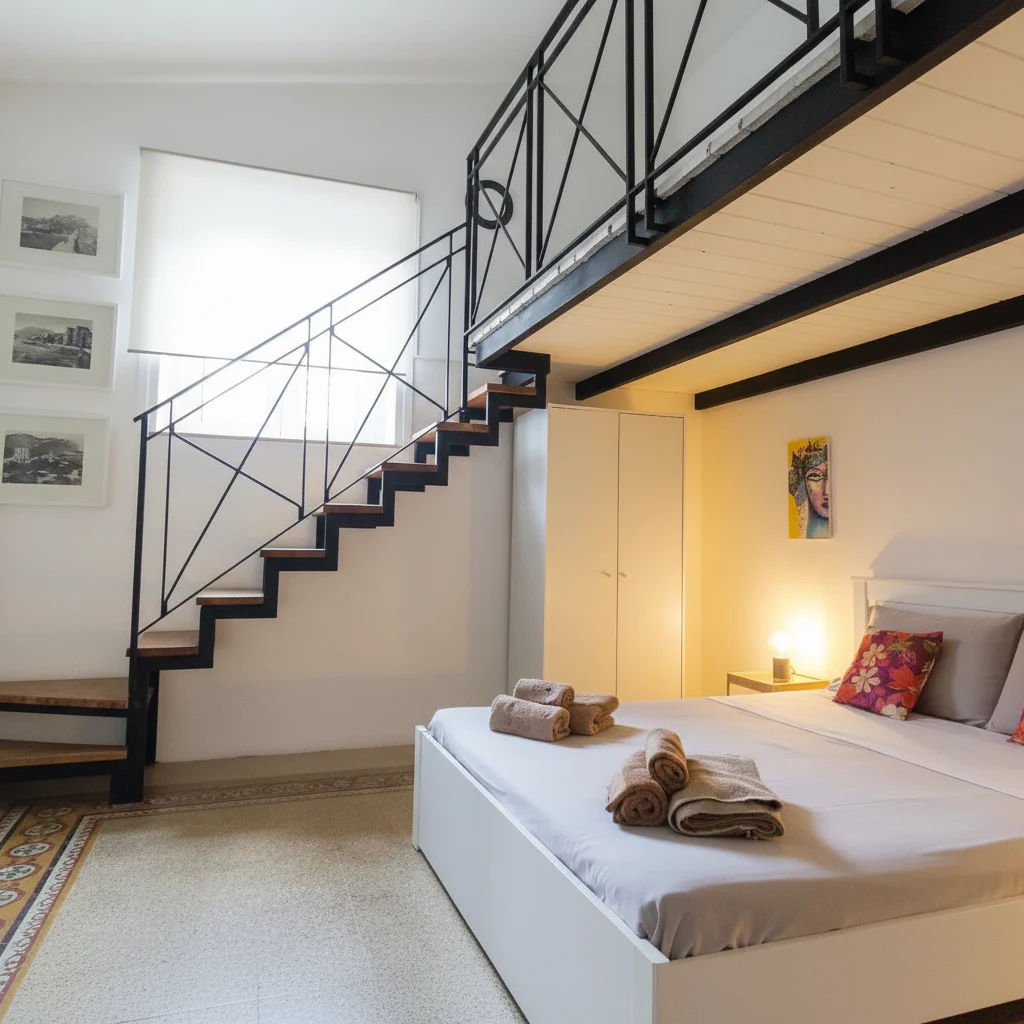
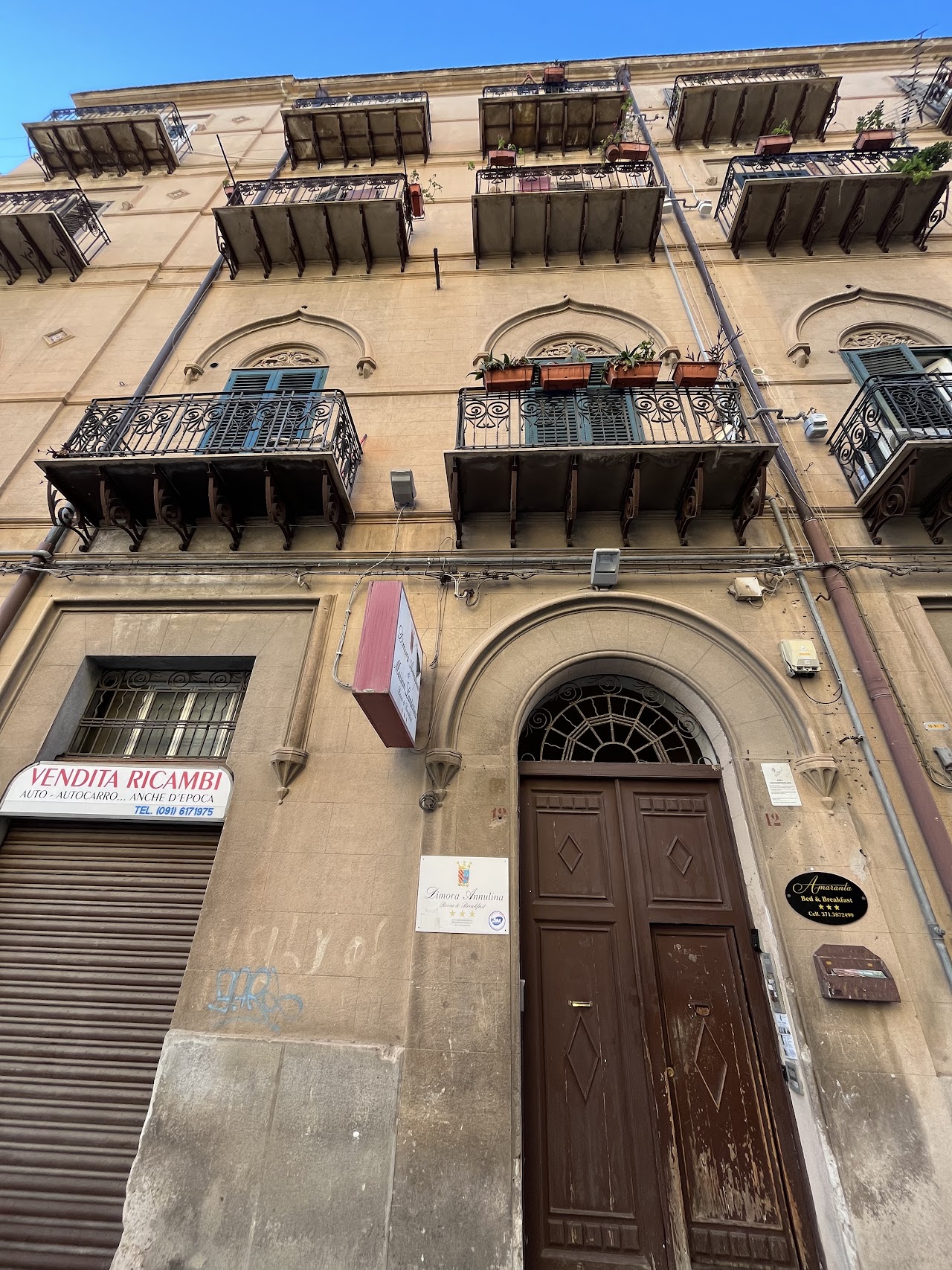
To sleep steps away from these markets, choose a B&B in the historic centre. The Vucciria area has properties nestled in the Loggia district, where waking to vendor calls is part of the experience. Many family-run B&Bs offer breakfasts with granita and Sicilian brioches, and owners are always happy to recommend which market suits your tastes. Staying in a B&B lets you move with the city's rhythm rather than observe it as a tourist. Book for spring (March to May) or autumn (September to November): the weather is perfect, markets overflow with seasonal produce, and prices are more reasonable than summer.