Choose your stay and contact the host directly to get a better deal than on the big booking sites.Browse stays →
Trentino-Alto Adige · Mountains
Hidden Valleys of Trentino-Alto Adige: Where Locals Really Go
10 giugno 2026·3 min di lettura
Trentino-Alto Adige is Italy's most developed mountain region, which cuts both ways: consistently high standards everywhere, yet famous valleys like Val Gardena, Val Badia, and Val di Sole choked with summer crowds. But this region has more inhabited valleys than anywhere else in Italy, and beside every celebrated valley runs a quieter parallel one, equally stunning and far less visited.
Val di Funes sits behind Sass Rigais and the Odle peaks, the same mountains that cost fifty euros per cable car from Selva. From here you see them for free, walking from the villages of Santa Maddalena and San Pietro. The Adolf Munkel trail ranks among the Dolomites' most dramatic walks, and in August you'll have it almost to yourself.
Reinhold Messner opened his first Messner Mountain Museum here. No accident: this valley shows you what the Dolomites actually are, before they became a theme park.
Val di Tures and Aurina: Italy's Far North
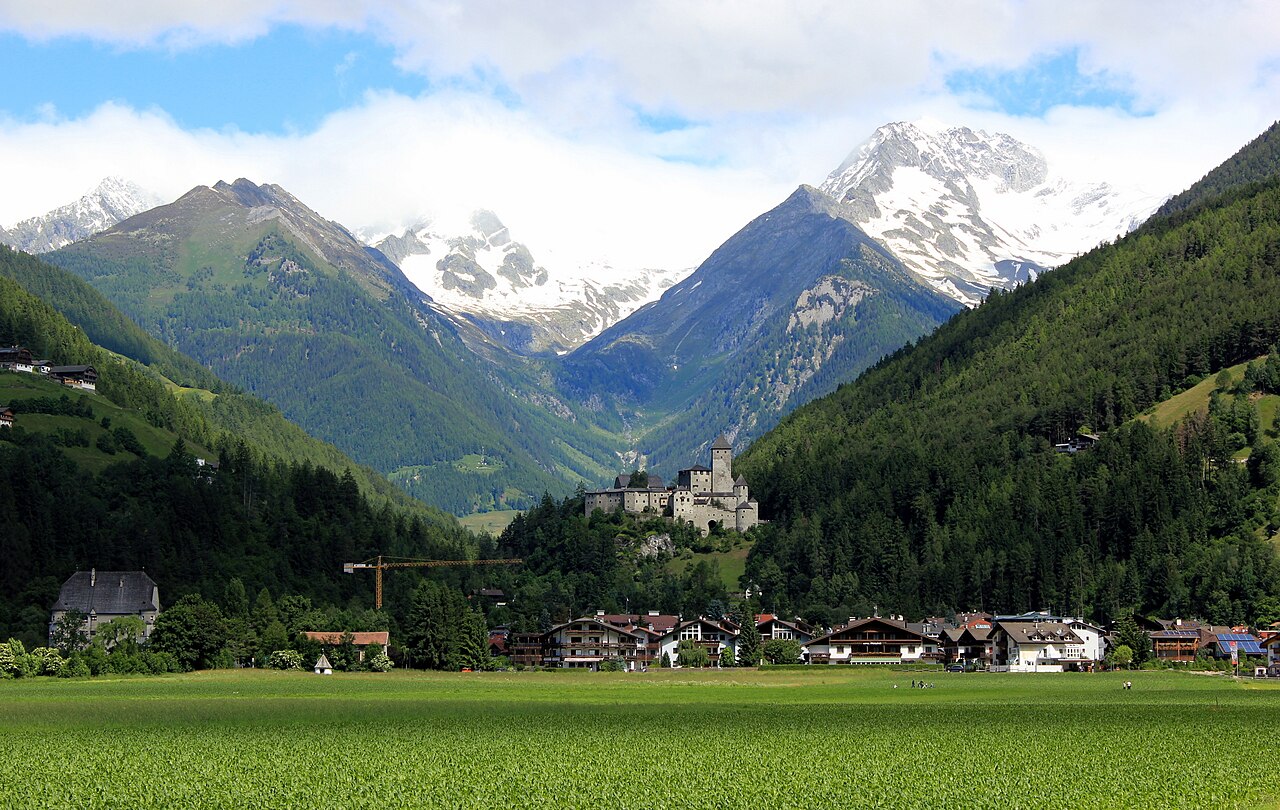
Above Bruneck, where valleys end and the Austrian border begins, lies Val di Tures-Aurina, Italy's northernmost inhabited valley. Cascate di Riva waterfalls, the Naturalistic Trail, Lake Anterselva. Winter makes it the least-known base for the Tre Cime; summer offers some of the Alps' coolest temperatures.
The dialect here is nearly Austrian, surnames entirely German, Italian spoken only as courtesy. This is Italy's most Central European corner.
Val di Cembra: The Valley of Vertical Vineyards
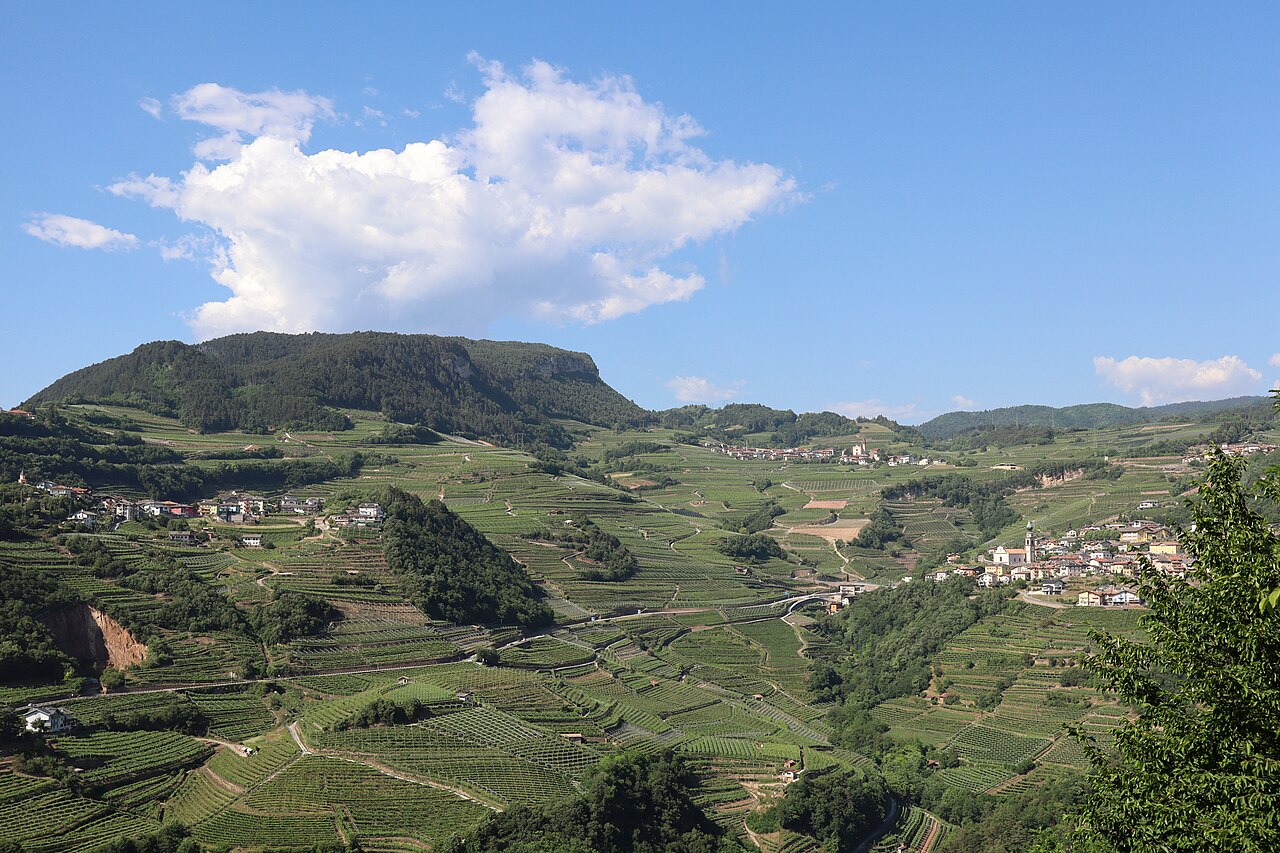
Between Trento and Val di Fiemme sits a valley that standard tourism overlooks: Val di Cembra. Terraced vineyards cling to vertical porphyry cliffs, Müller Thurgau grapes reach their Italian peak here, medieval villages like Cembra and Lisignago dot the slopes.
The Dürer Trail crosses the valley: Albrecht Dürer passed through in 1494 sketching the landscape, and today you walk the same largely unchanged terrain. A full day's walk through vineyards and chestnut forests, ending with tastings at family-run cellars.
Vallarsa: The Forgotten Valley
Vallarsa, in southern Trentino, sits an hour from Verona yet barely registers on tourist maps. Pasubio forests, the Road of 52 Tunnels, First World War memorials. It's ideal for those combining hiking with military history: some of the Alpine front's fiercest fighting happened here, and the war trails remain walkable and maintained.
What to Eat
Alto Adige cooks German with Italian tweaks: canederli (knödel), thick-sliced speck, apple strudel, mountain white wines. Trentino serves true mountain fare: polenta, alpine cheese, carne salada (raw marinated beef), herb strangolapreti. Every valley has at least one cheesemaker open to visitors, and the detour always pays off.
When to Visit
Summer (June through September) for hiking. September is ideal: no crowds, mountain huts still open, first colors appearing. Winter for skiing, December through March at peak season. May and October are transition months, many high-altitude places close. Christmas markets (November through January) draw the biggest crowds after August.
Getting Around
✓ A car offers the most flexibility, though the Pusterbahn and SAD bus lines are reliable.✓ Side valleys only connect by car; buses reach main towns, then you need your own transport.✓ The Alto Adige Mobilcard covers regional trains and buses; worth buying if you base yourself in one valley.
The Bottom Line
Trentino-Alto Adige runs tourism like nowhere else in Italy, creating two distinct circuits: the crowded famous valleys and the parallel one where locals actually go. Independent guesthouses hold the key to accessing the second: your host knows which mountain hut still operates, which trail sees fewer boots, which winery deserves a detour.