Choose your stay and contact the host directly to get a better deal than on the big booking sites.Browse stays →
Piemonte · Wine
Langhe, Monferrato and Barolo: Complete Guide to Piedmont Wine Region
10 giugno 2026·4 min di lettura
Piedmont produces some of the world's most celebrated wines: Barolo, Barbaresco, Barbera d'Asti, Moscato d'Asti, Dolcetto. The rolling hills that produce them, the Langhe, Roero and Monferrato regions, became a UNESCO World Heritage site in 2014. Wine buyers from across the globe have been arriving here for decades, yet mass tourism has not yet taken hold. This restraint is precisely what makes the region special.
The territory spans the provinces of Cuneo, Asti and Alessandria in lower Piedmont. Alba serves as the hub, famous for white truffles and Nutella. Villages are small, often just a few hundred residents clustered around a castle and historic cellar. Hospitality reflects the reserved, understated character of Piedmontese culture.
Alba and the White Truffle
Alba is the natural starting point for exploring the Langhe. The medieval centre features towers, historic cafes and shops selling truffles, hazelnuts, wine and chocolate. Saturday's market brings together local producers and food enthusiasts.
From October through December, the Alba White Truffle Fair takes place, ranking among Europe's most important gastronomic events. Alba white truffles command the highest prices per kilogram of any truffle variety worldwide, yet restaurant tastings during the fair remain reasonably priced.
Barolo and the Barolo Wine Region
Barolo is a small village of just a few hundred people dominated by the Castello Falletti, home to WiMu, the Wine Museum. The wine bearing its name comes from Nebbiolo grapes grown in surrounding communes: Barolo, Castiglione Falletto, Serralunga d'Alba, La Morra, Verduno, Grinzane Cavour. It ranks among Italy's most complex and long-lived red wines, often called the king of Italian wines.
The drive from Barolo to La Morra ranks among Piedmont's most scenic routes, with vineyards stretching to the horizon, villages perched on every hilltop and cellars open for tastings. La Morra's viewpoint offers sweeping views across the entire Barolo region, with the Alps visible on clear days.
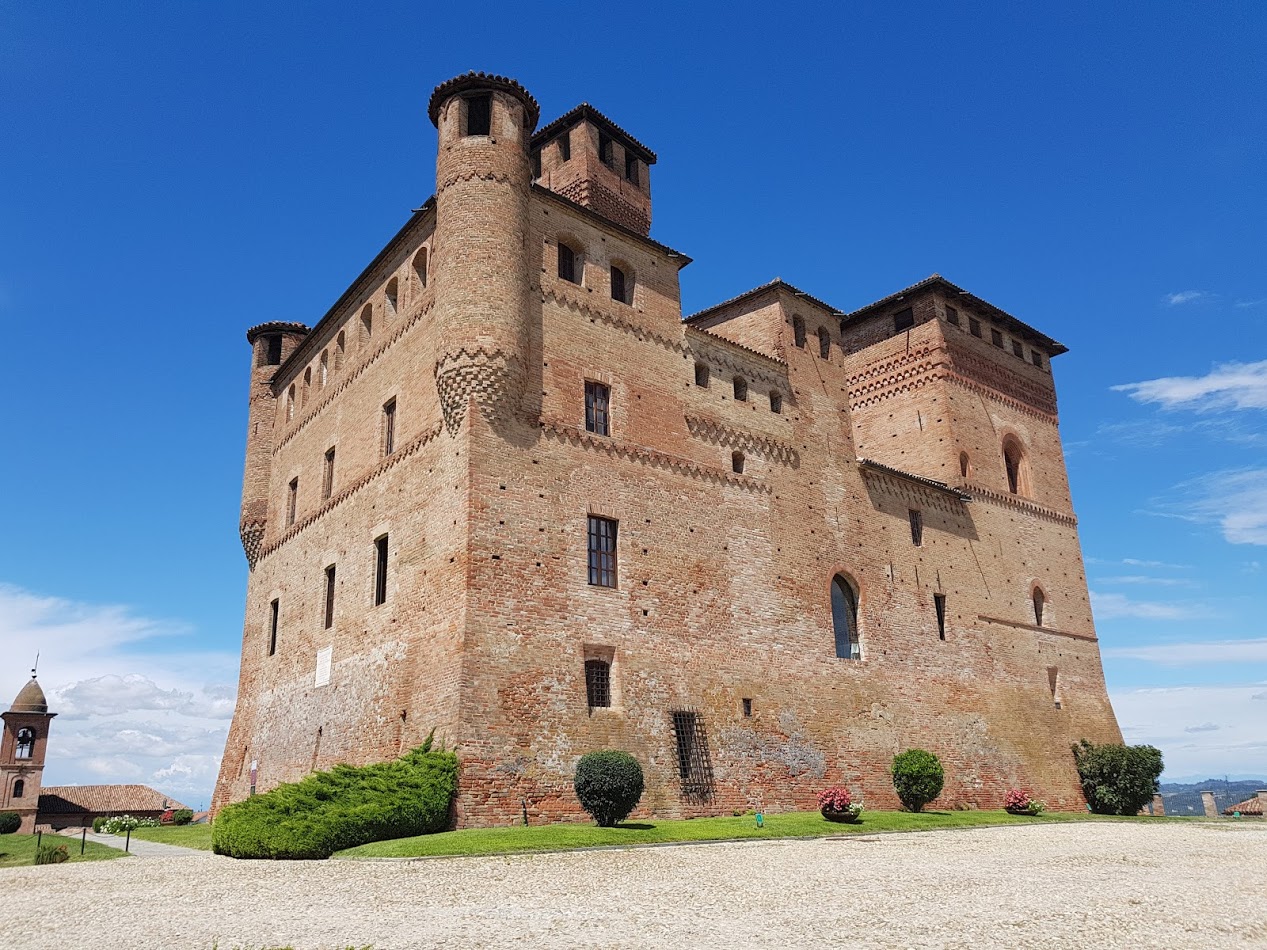
The Castello di Grinzane Cavour, a UNESCO property, was home to Count Camillo Cavour before his pivotal role in Italian unification. Today it houses a regional wine bar and the Museum of the Langhe.
Barbaresco is an even smaller village than Barolo, with a medieval tower overlooking Nebbiolo vineyards. Barbaresco wine is produced here and in the nearby communes of Neive and Treiso. Compared to Barolo, it tends to be more elegant and less tannic, with local producers like Gaja commanding international recognition.
Neive ranks among Piedmont's most charming villages, with an almost intact medieval centre, cobbled streets, the Clock Tower and small shops run by local producers of wine, hazelnuts and cheese.
Monferrato lies between Asti and Alessandria, less visited than the Langhe but with distinctly different character. Barbera d'Asti is the principal wine here, a softer and fruitier red than Barolo. Moscato d'Asti and Asti Spumante, sweet and aromatic wines from white Moscato grapes, are produced in the hills around Canelli.
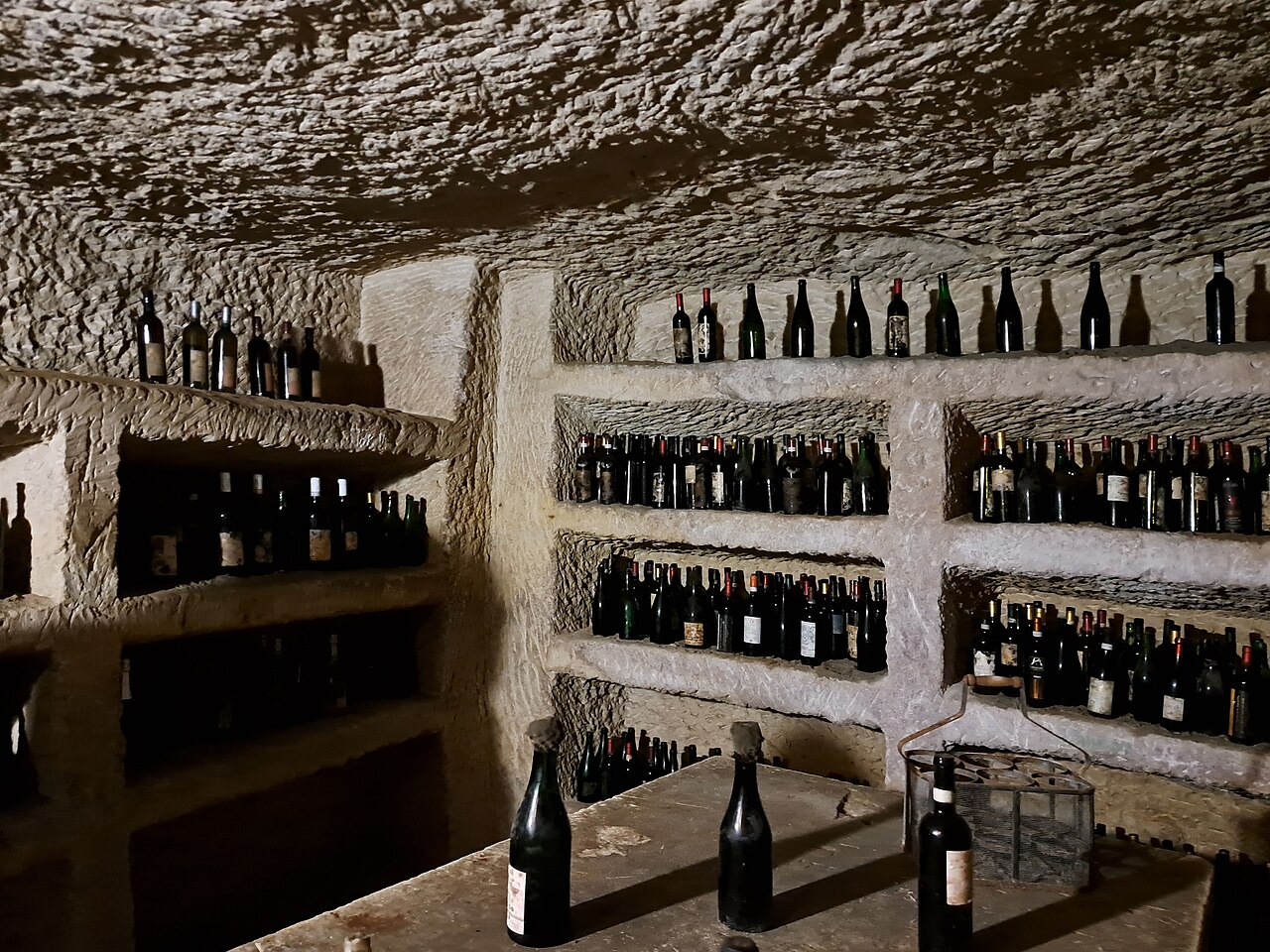
The Infernot of Monferrato are underground cellars carved into tufa stone by generations of farmers to preserve wine, hypogeal spaces now part of the UNESCO heritage. Some are open to visitors.
Nizza Monferrato serves as the capital of Barbera d'Asti Superiore Nizza DOCG, with its nineteenth century palaces and deeply rooted wine tradition. Thursday's market ranks among the liveliest in the Asti region.
Asti
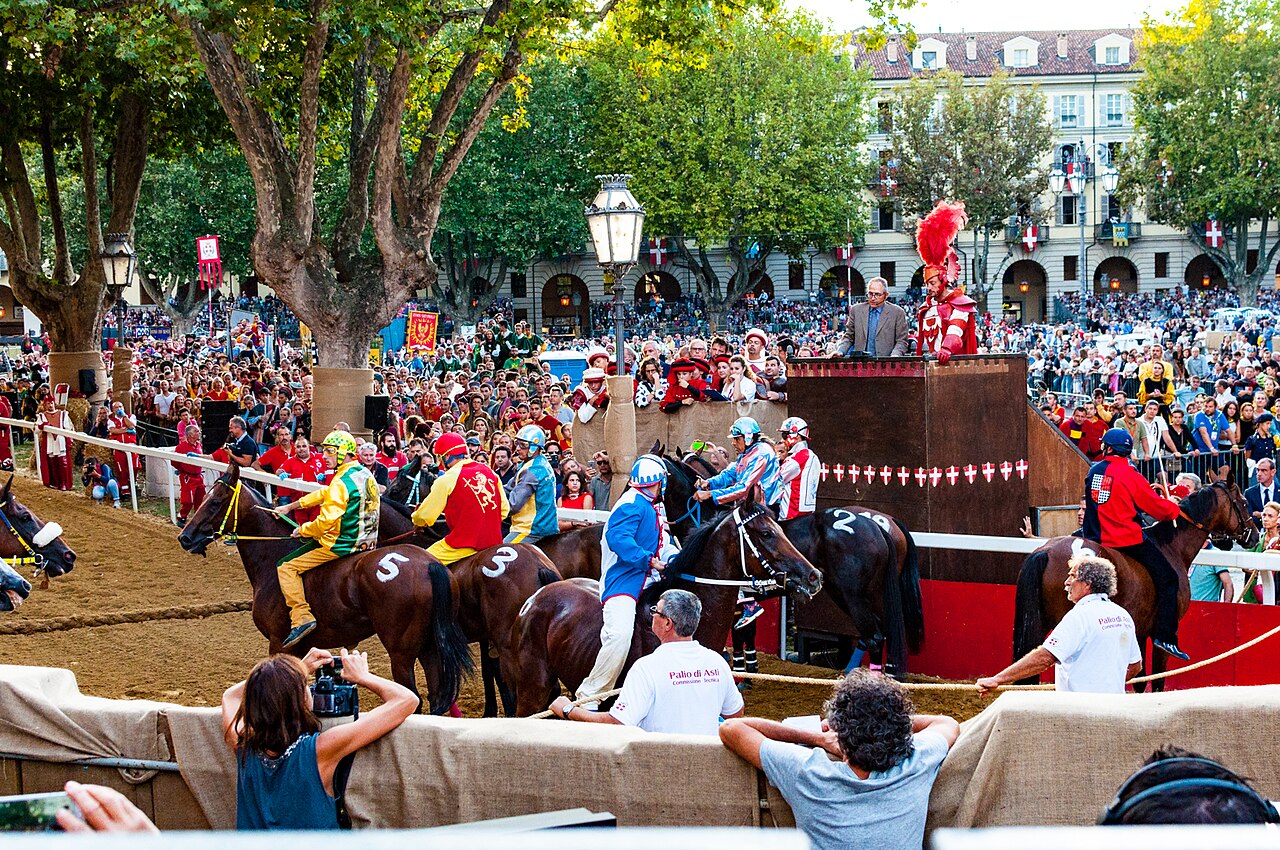
Asti is known for the Palio, Italy's oldest horse race, held in Piazza Alfieri on the third Sunday of September. The medieval centre features towers, the twelfth century Baptistry of San Pietro and a Gothic cathedral. The city lends its name to two wines: Asti Spumante DOCG and Barbera d'Asti DOCG.
Piedmontese cuisine in the Langhe ranks among Italy's most refined, built on systematic use of the highest quality local ingredients.
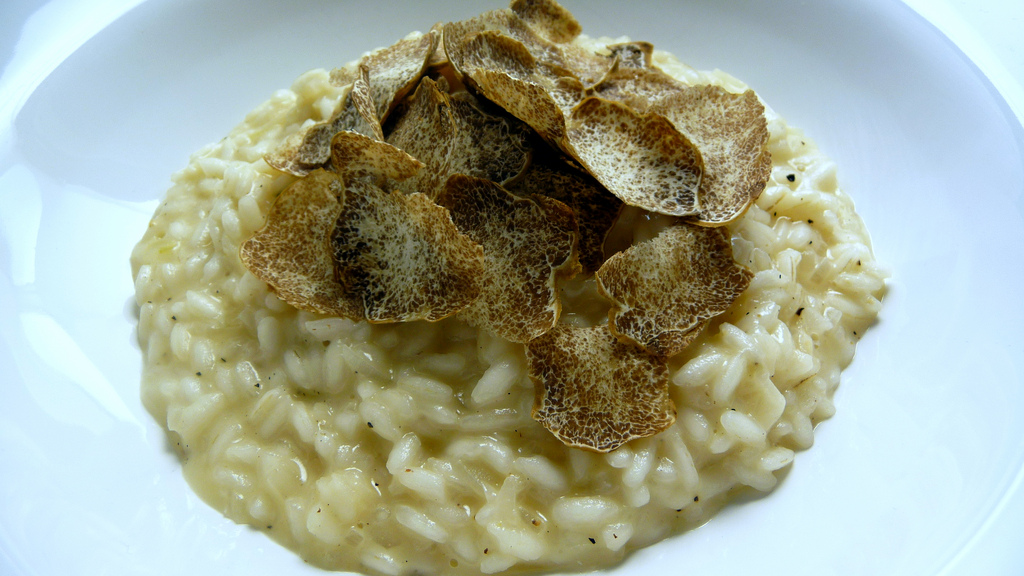
White Alba truffle is the most prized ingredient, shaved over fried eggs, tajarin (local egg pasta) or risotto, elevating any dish. The season runs from October through December.
Tajarin is egg pasta rolled paper thin, made with up to forty egg yolks per kilogram of flour. It is typically served with butter and truffle or with sausage ragù.
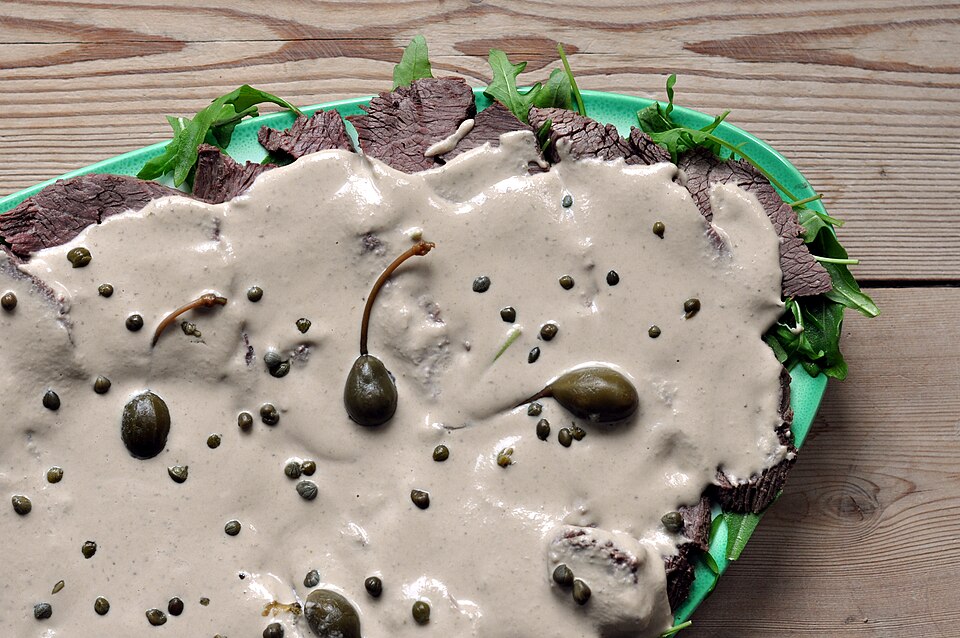
Vitello tonnato is a classic Piedmontese starter: thin slices of cooked veal with tuna and caper sauce. This eighteenth century recipe bears no resemblance to the industrial versions found elsewhere.
Tonda Gentile delle Langhe hazelnuts IGP are the foundation of Nutella and Piedmontese hazelnut pastes.
When to Visit
October is ideal: harvest season, the Alba truffle fair, and vineyards shifting colour. It marks peak season for food and wine tourism, with top restaurants fully booked.
Spring (April to May) offers a second option: green landscapes, fewer visitors and lower prices.
Summer brings heat, but cellars remain open and the countryside is beautiful regardless.
Getting There
Turin Caselle airport is the nearest, roughly one hour's drive from Alba. By train from Turin, Alba takes approximately ninety minutes. A car is nearly essential for exploring the Langhe and Monferrato, as villages sit beyond public transport reach.
Book restaurants and accommodation months ahead for the Alba Truffle Fair; October fills quickly. Many cellars require advance reservation, particularly smaller artisanal producers. Visit Neive and Barbaresco on the same day, just kilometres apart. For Monferrato's Infernot, look for those open to visitors in Cella Monte, one of the most accessible communes.